






Articles
Medical evidence, explained so you can decide about your health.
Guías médicas por tratamiento
Todas las guías, de la más reciente
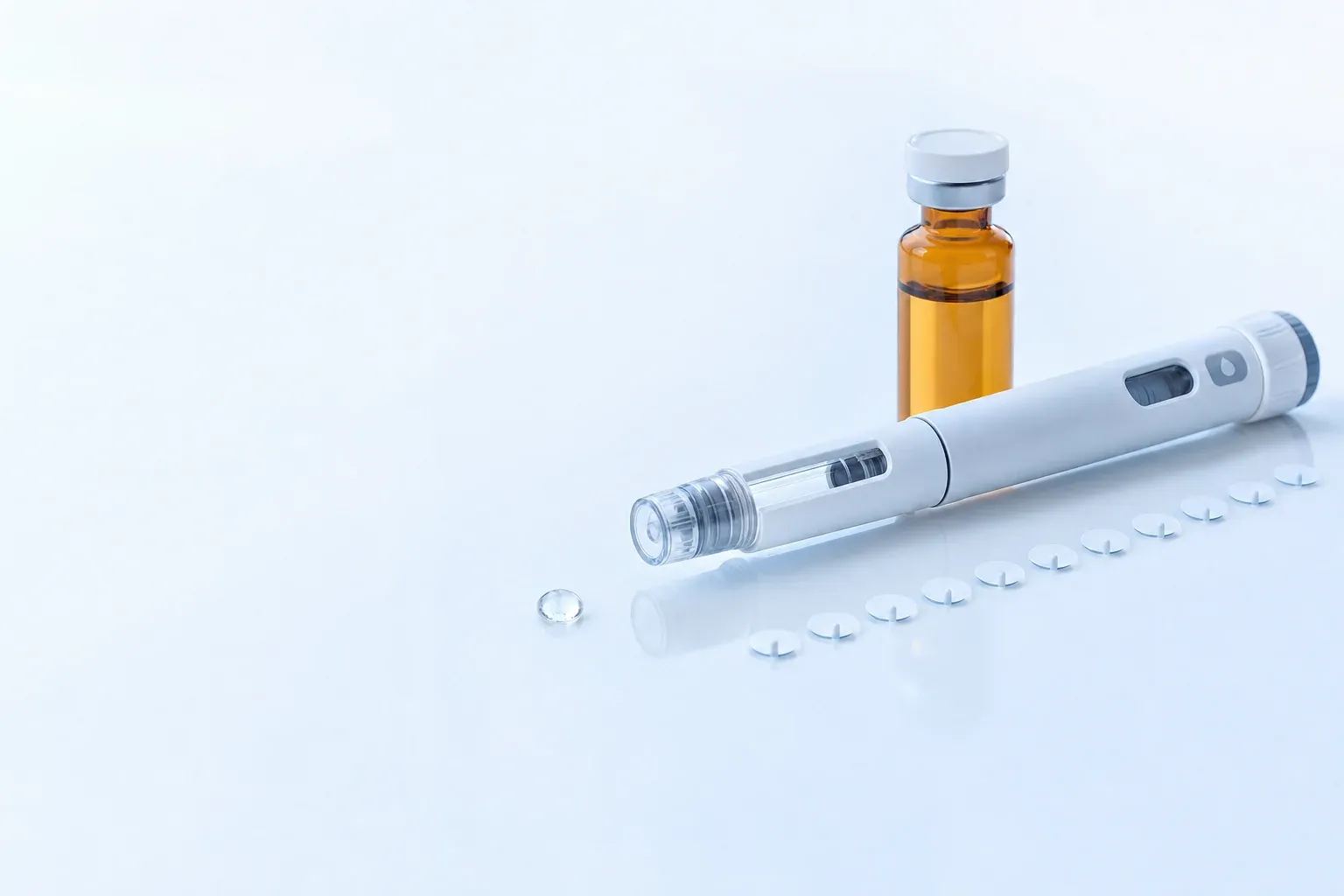
Ozempic price in Spain: how much it costs per pen and per month in 2026
There is no single price for Ozempic in Spain in 2026: it depends on the presentation and the number of doses in the pen. This is what is known about the cost per pen, the approximate cost per 4 weeks and how public funding works.
Sep 21, 2026Leer →
Oral vs topical minoxidil: what the head-to-head trials say
For years the comparison between oral and topical minoxidil was based on impressions. Since 2024 there has been a randomised trial and a meta-analysis that pit them directly against each other: the conclusion is similar efficacy, with a slight edge for the oral form at the vertex and one side effect that is clearly more frequent when taken by mouth. We explain what is known, what is not and why the difference matters.
Sep 09, 2026Leer →
Polycystic ovary syndrome (PCOS): symptoms, diagnosis and what is known to help
Polycystic ovary syndrome is the most common cause of anovulation worldwide, and up to 70% of women who have it are undiagnosed. We explain what it is, how the diagnosis is reached, what the 2023 international guideline says and where the evidence is still weak.
Sep 08, 2026Leer →
Testosterone without a prescription and online sellers: the real risks, and why no website selling it in Spain is legal
In Spain, testosterone is a prescription-only medicine and the distance selling of prescription medicines is banned: there is no legal website that can send it to you, however many "online medical consultations" or quality seals it displays. Here we explain which risks are real, which are myths, and what the correct route is for diagnosing and treating low testosterone.
Sep 07, 2026Leer →
Minoxidil prices in Spain: why topical and oral cost so differently
In Spain there are four brands of topical minoxidil 5%, an official preparation from the Spanish National Formulary, compounded formulations and an oral presentation. Here is what is authorised, what makes one pack cost more than another, and why you will not read a figure in euros here that we cannot verify.
Sep 04, 2026Leer →
Menopause tablets: what actually exists and what needs a prescription
When someone searches for "menopause tablets" they are usually looking for two very different things: a prescription medicine or a jar from the health food shop shelf. We go through which groups actually exist, what the NICE NG23 guideline says about each of them and why the line separating a supplement from a medicine is, above all, a legal one.
Sep 03, 2026Leer →
How long does hormone therapy take to work? What to expect in the first few months
The Spanish product information for transdermal oestradiol refers to "the first few weeks", while guidelines set the first review at 3 months. The honest answer lies between those two markers: what is actually known about timescales, what is normal along the way, and why there is no week-by-week calendar.
Aug 31, 2026Leer →
Vitamin D: what the evidence does (and doesn't) say about supplementing
Vitamin D is probably the most widely taken and least well understood supplement of all. We look at what the large randomised trials show on cancer, heart disease, fractures and respiratory infections, what levels are actually measured in Spain, and why the AEMPS has had to warn about poisoning from overdosing.
Aug 28, 2026Leer →
Side effects when starting hormone therapy: what is normal in the first few weeks
Breast tenderness, bloating, some unexpected bleeding, headaches. Many women starting menopausal hormone therapy notice odd things in the first few weeks and are not sure whether it is to be expected or a sign to stop. Here we explain what the AEMPS-approved product information (ficha técnica) actually says, how to read those frequency categories, and which figures, quite simply, nobody has.
Aug 26, 2026Leer →
How much does Mounjaro cost per month in Spain: the real price per dose in 2026
Mounjaro is not funded by the public health system, so the price of the box is what you pay. We go through the indicative retail prices by dose, the detail almost nobody mentions (a year means 13 boxes, not 12) and what the first year really costs once dose escalation is factored in.
Aug 24, 2026Leer →
Low-dose oral minoxidil: a map of the real side effects
Oral minoxidil has become one of the most talked-about treatments for hair loss, but in Spain it remains a drug authorised only for severe high blood pressure. Here is what the data say about its side effects: which ones appear, how often, and what is known about the rare but serious ones.
Aug 21, 2026Leer →

Sildenafil: what it is, how it works and what the evidence says
For almost three decades sildenafil has been the best-known drug for erectile dysfunction, and also one of the most misunderstood. It is not an aphrodisiac, it does not work without sexual stimulation, and it does not resolve the cause of the dysfunction. We look at exactly what it does, what it showed in the trials, what it must never be combined with, and which myths are worth dismantling with data.
Aug 20, 2026Leer →
It's time to reach your goal.
Online medical assessment, prescription when appropriate and 1:1 follow-up with this team.